The most significant surprise the film industry has encountered in 2025? The comeback of horror as a main player at the British cinemas.
As a genre, it has impressively outperformed previous years with a annual growth of 22% for the UK and Ireland film earnings: £83,766,086 in 2025, against £68.6 million last year.
“Previously, zero horror films made £10 million in the UK or Ireland. Currently, five have surpassed that mark,” comments a box office editor.
The big hits of the year – a recent horror title (£11.4m), another hit film (£16.2m), The Conjuring Last Rites (£14.98m) and 28 Years Later (£15.54 million) – have all remained in the theaters and in the public consciousness.
Even though much of the expert analysis highlights the unique excellence of prominent auteurs, their triumphs suggest something shifting between viewers and the genre.
“Many have expressed, ‘You should watch this even if horror isn’t your thing,’” explains a head of acquisition.
“These productions twist traditional elements to craft unique experiences, resonating deeply with modern audiences.”
But apart from artistic merit, the steady demand of frightening features this year suggests they are giving moviegoers something that’s highly necessary: emotional release.
“These days, movies echo the prevalent emotions of rage, anxiety, and polarization,” notes a genre expert.
“Scary movies excel at tapping into viewers' fears, amplifying them, allowing you to set aside daily worries and concentrate on the on-screen terror,” explains a noted author of vampire and monster cinema.
Amid a global headlines featuring conflict, immigration issues, political shifts, and climate concerns, witches, zombies and vengeful spirits connect in new ways with filmg oers.
“I read somewhere that the success of vampire movies is linked to economically depressed times,” says an star from a recent horror hit.
“The concept reflects how economic systems can drain vitality from individuals.”
From film's inception, societal turmoil has shaped horror.
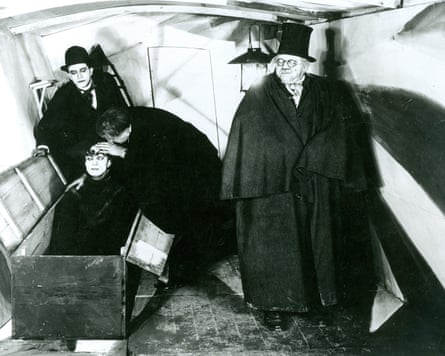
Analysts highlight the rise of European artistic movements after the first world war and the turbulent times of the post-war Germany, with features such as The Cabinet of Dr Caligari and a pioneering fright film.
Later occurred the economic crisis of the 30s and classic monster movies.
“Consider the Dracula narrative: an outsider from the east brings a corrupting influence that permeates society and challenges its heroes,” notes a historian.
“Thus, it mirrors widespread fears about migration.”
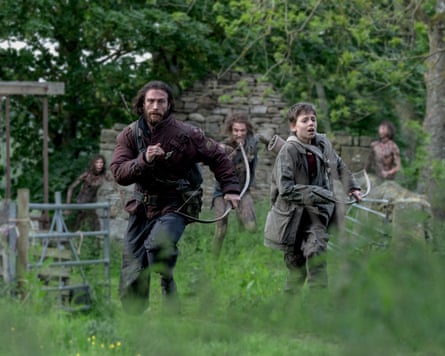
The boogeyman of immigration influenced the newly launched folk horror The Severed Sun.
The filmmaker elaborates: “I wanted to explore ideas around the rise of populism. Firstly, slogans like ‘Let’s Make Britain Great Again’, that harken back to some fantasy time when things were ‘better’, but only if you were a rich white man.”
“Secondly, the idea that you could be with someone you know and then suddenly they blurt out something round the dinner table or in a Facebook post and you’re like, ‘Where did that come from?’”
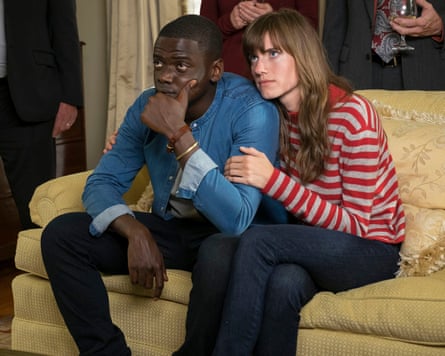
Arguably, the modern period of acclaimed, socially switched-on horror began with a brilliant satire launched a year after a polarizing administration.
It introduced a new wave of innovative filmmakers, including a range of talented artists.
“Those years were remarkably vibrant,” comments a director whose film about a violent prenatal entity was one of the era’s tentpole movies.
“I believe it initiated a trend toward eccentric, high-concept horror that aimed for artistic recognition.”
The director, currently developing another scary story, continues: “Over 10 years, audiences’ minds have been opening up to much more of that.”
At the same time, there has been a revival of the genre’s less celebrated output.
Recently, a nicke l venue opened in the capital, showing obscure movies such as a quirky horror title, The Fall of the House of Usher and the late-80s version of Dr Caligari.
The re-appreciation of this “gritty and loud” genre is, according to the cinema founder, a clear response to the formulaic productions churned out at the theaters.
“It counters the polished content from big producers. The industry has become blander and more foreseeable. Numerous blockbusters share the same traits,” he says.
“On the other hand, [these indie works] feel imperfect. They seem to burst forth from deep creativity, free from commercial constraints.”
Scary movies continue to disrupt conventions.
“Horror possesses a dual nature, feeling both classic and current simultaneously,” says an authority.
In addition to the revival of the insane researcher motif – with several renditions of a classic novel imminent – he predicts we will see fright features in the coming years addressing our current anxieties: about AI’s dominance in the years ahead and “monstrous metaphors in power structures”.
At the same time, a biblical fright story The Carpenter’s Son – which narrates the tale of Mary and Joseph’s struggles after the nativity, and features well-known actors as the divine couple – is set for release later this year, and will certainly send a ripple through the religious conservatives in the United States.</


